Like many Canadians, you might be familiar with some of the uncomfortable symptoms of chronically dry eyes. But if you’ve only had mild cases until now, you might be less familiar with some of the ways dry eye can affect your vision.
In addition to being uncomfortable, your eyes can become more sensitive to light and you may not be able to wear contact lenses. Additionally, severe, untreated dry eye can lead to an increased infection risk and may cause damage to the cornea’s surface.
You’re certainly not alone in dealing with dry eye disease, but there are several treatments available that we can offer. The dry eye symptoms that you experience will determine which course of treatment our eye doctors recommend.
What Is Dry Eye?
Dry eye disease, commonly known simply as dry eye, is a condition that affects the eye’s natural tear film. Not only is it an uncomfortable condition that can make everyday tasks difficult, but it can also potentially result in damage to the eye if left untreated.
There are 2 primary subtypes of dry eye: evaporative dry eye and aqueous deficient dry eye. Each shares symptoms and can affect your eyes the same, but they have different root causes that may change the treatment your eye doctor recommends.
Evaporative Dry Eye
Your eye’s tear film is made up of water, oil, and proteins. An improper mixture in this film can cause it to evaporate too quickly and leave your eye inadequately lubricated. This is evaporative dry eye.
Meibomian gland dysfunction (MGD) is a leading cause of evaporative dry eye. Treatments like IPL therapy are an effective option for our patients, as the treatment helps to unblock the glands and improve flow.
Aqueous Deficient Dry Eye
There is likely nothing wrong with your tear film mixture when dealing with aqueous deficient dry eye. With this subtype of dry eye, the eye simply doesn’t produce an adequate amount of tears to keep the eye lubricated.
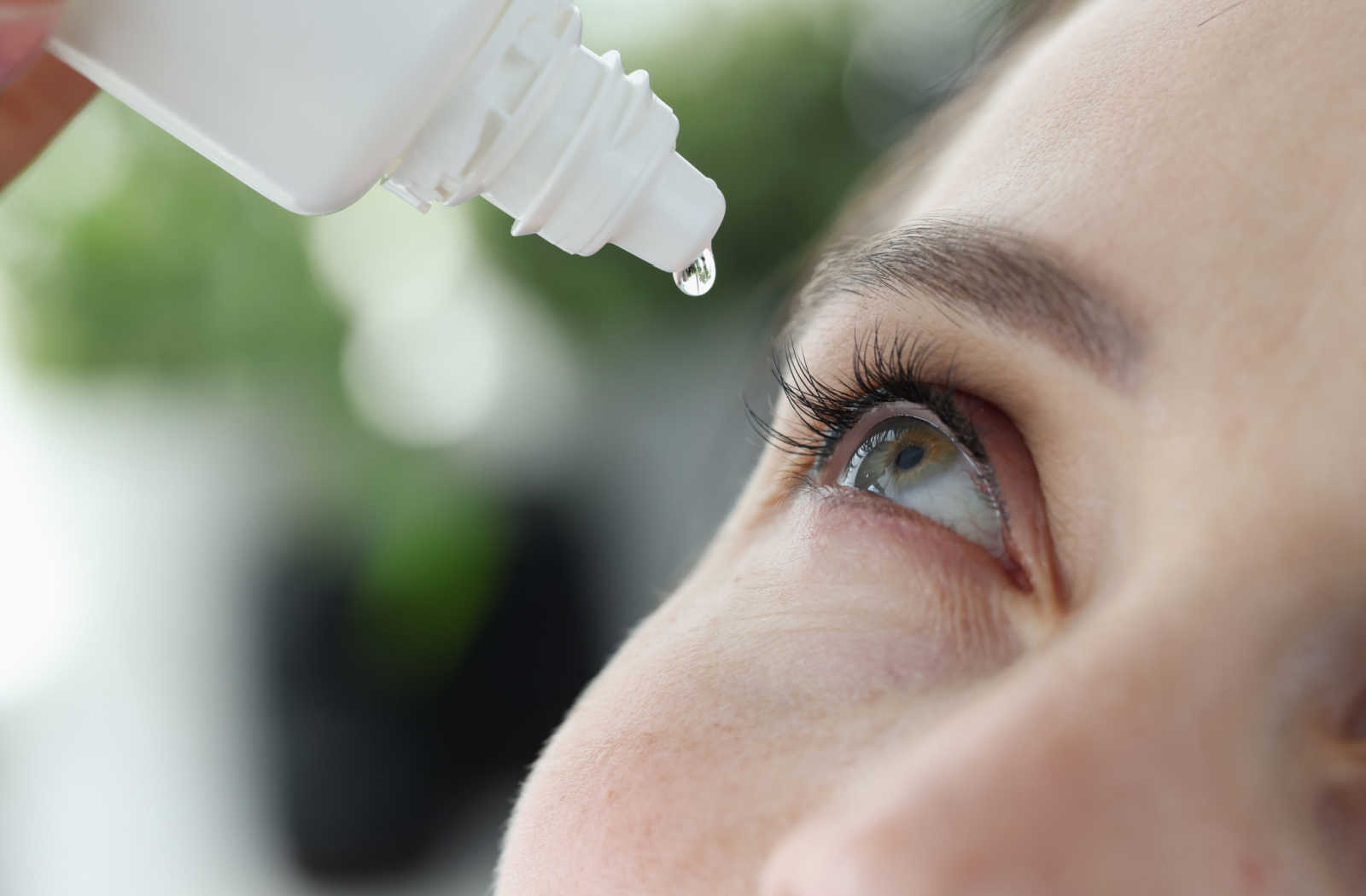
Lubricating eye drops are often the first line of treatment, and you don’t need a prescription to get them. Because dry eye is often a chronic condition that requires constant treatment, it’s important to use preservative-free eye drops, if possible, to avoid the eye drops causing the problem you’re trying to solve: irritated, dry eyes.
7 Ways Dry Eye Can Affect Your Vision
Common symptoms of dry eye may include:
- Irritated feeling like there is something in your eye
- Eye redness
- Blurry vision
- Excessive watering
- Stinging or burning feelings
- Mucus discharge
There are also some ways dry eyes can affect your vision more seriously.
Light Sensitivity
Photophobia, or light sensitivity, is one of the symptoms most commonly connected to chronic dry eye. It may not seem like a big issue to be sensitive to light, but light sensitivity could lead to more discomfort if migraines develop. If your light sensitivity is due to your dry eyes, we have treatment options that can help lessen the symptoms.
Increased Infection Risk
Microbial keratitis is a serious infection of the eye that is most commonly caused by the improper handling or use of contact lenses. However, the eye’s tear film is partly responsible for protecting the eye from contaminants. And if your eyes are not properly lubricated because of tear issues, the risk of developing a bacterial infection can increase.
Eye Surface Damage
One of the tear film’s primary jobs is lubricating your eyes so they move freely against your eyelids. If your eyes aren’t producing enough tears or the film evaporates too quickly, this could damage the eye’s surface. Contaminants that are normally flushed out of the eye by the tears could leave micro-scratches on the cornea.
Daily Discomfort
When your eyes are dry and uncomfortable, you may feel discomfort when trying to keep them open. Fortunately, preservative-free eye drops are often enough to bring a person relief, so the uncomfortable symptoms of dry eyes don’t heavily impact their daily lives. Our optometrists will be able to recommend a product that will be suitable for your specific use.
Difficulty Wearing Contact Lenses
Contact lenses can be a great option when you want to ditch your eyeglasses. Unfortunately, 50%–94% of adult contact lens wearers report varying levels of dry eye symptoms. This, combined with an increased chance of infection, can lead many people with dry eye to find it difficult to wear contact lenses.
If you find contact lenses to be uncomfortable due to dry eye symptoms, give us a call and book in a consultation. There are different options that are more suited for patients that struggle with dry eye that our optometrists can help you with.
Symptoms of an Underlying Condition
Dry eyes could result from other conditions. For example, studies have shown that more than 50% of those with diabetes develop dry eyes as a complication. It’s important that our eye doctors are aware of your diabetes because other complications from the disease could affect your vision. Some of these diabetes related eye diseases can develop for years without obvious symptoms, making an annual diabetic eye exam all the more important for your eye health.
Blindness
In extreme cases of severe and untreated dry eye, blindness can develop. It’s important to note that vision loss or blindness is unlikely to result from mild to moderate cases of dry eye disease. But if dry eyes are resulting in surface damage, scar tissue could build up over time, leading to permanent vision loss or blindness.
Discuss Your Relief Options with Our Eye Doctors at Aurora Eye Care
Dry eye may be a common condition, but that doesn’t mean you have to suffer without relief. If you’ve already tried over-the-counter eye drops and warm compresses, it might be time to discuss your treatment options with one of our eye doctors.Give us a call at Aurora Eye Care and let our professional team answer your questions. We’re happy to book you an appointment to see one of our Optometrists to get you the relief you need.
Dry Eye FAQ
What is dry eye disease?
Dry eye disease is a condition that affects your eye’s natural tear film, and it’s more common than you might think. It can range from mildly uncomfortable to more serious, and if left untreated, it can lead to further damage to the eye over time. There are two main subtypes, evaporative dry eye and aqueous deficient dry eye, which share similar symptoms but have different underlying causes.
What’s the difference between evaporative dry eye and aqueous deficient dry eye?
Evaporative dry eye happens when your tear film’s mix of water, oil, and proteins is out of balance, causing it to evaporate too quickly, often due to meibomian gland dysfunction (MGD). Aqueous deficient dry eye is different: your tear film mixture is fine, but your eyes simply aren’t producing enough tears to stay lubricated. Both can feel similar day to day, but the right treatment depends on which type you’re dealing with.
What are the most common symptoms of dry eye?
Dry eye symptoms can include a feeling like something’s in your eye, redness, blurry vision, excessive watering, stinging or burning, and mucus discharge. Everyone experiences dry eye a little differently, so if these symptoms sound familiar, it’s worth having your eyes checked.
Can dry eye make my eyes more sensitive to light?
Yes. Light sensitivity, also called photophobia, is one of the symptoms most commonly connected to chronic dry eye. It might not seem like a big deal on its own, but it can add to your overall discomfort, especially if it starts contributing to headaches or migraines.
Can dry eye make it harder to wear contact lenses?
It can. Studies show that between 50% and 94% of adult contact lens wearers experience some level of dry eye symptoms, which can make lenses feel uncomfortable or lead people to cut back on wearing them. If dry eye is getting in the way of your contacts, there are options that may be a better fit for your eyes.
Is dry eye connected to other health conditions, like diabetes?
Sometimes, yes. Dry eye can be a symptom of an underlying condition. Research shows more than half of people with diabetes develop dry eye as a complication, which is one reason it’s important for your optometrist to know your full health history, and why annual eye exams matter for anyone managing diabetes.
Can severe dry eye cause permanent vision loss?
In rare, severe, and untreated cases, yes. Mild to moderate dry eye is very unlikely to lead to vision loss, but ongoing surface damage from untreated dry eye can, over time, cause scar tissue that may lead to permanent vision problems. This is part of why it’s worth addressing dry eye symptoms rather than just living with them.
How is dry eye treated?
Treatment depends on which type of dry eye you have and how it’s affecting you. Options can include preservative-free lubricating eye drops, or treatments like IPL therapy for evaporative dry eye caused by meibomian gland dysfunction. Our eye doctors at Aurora Eye Care in Grande Prairie can help you figure out which option makes sense for your eyes.