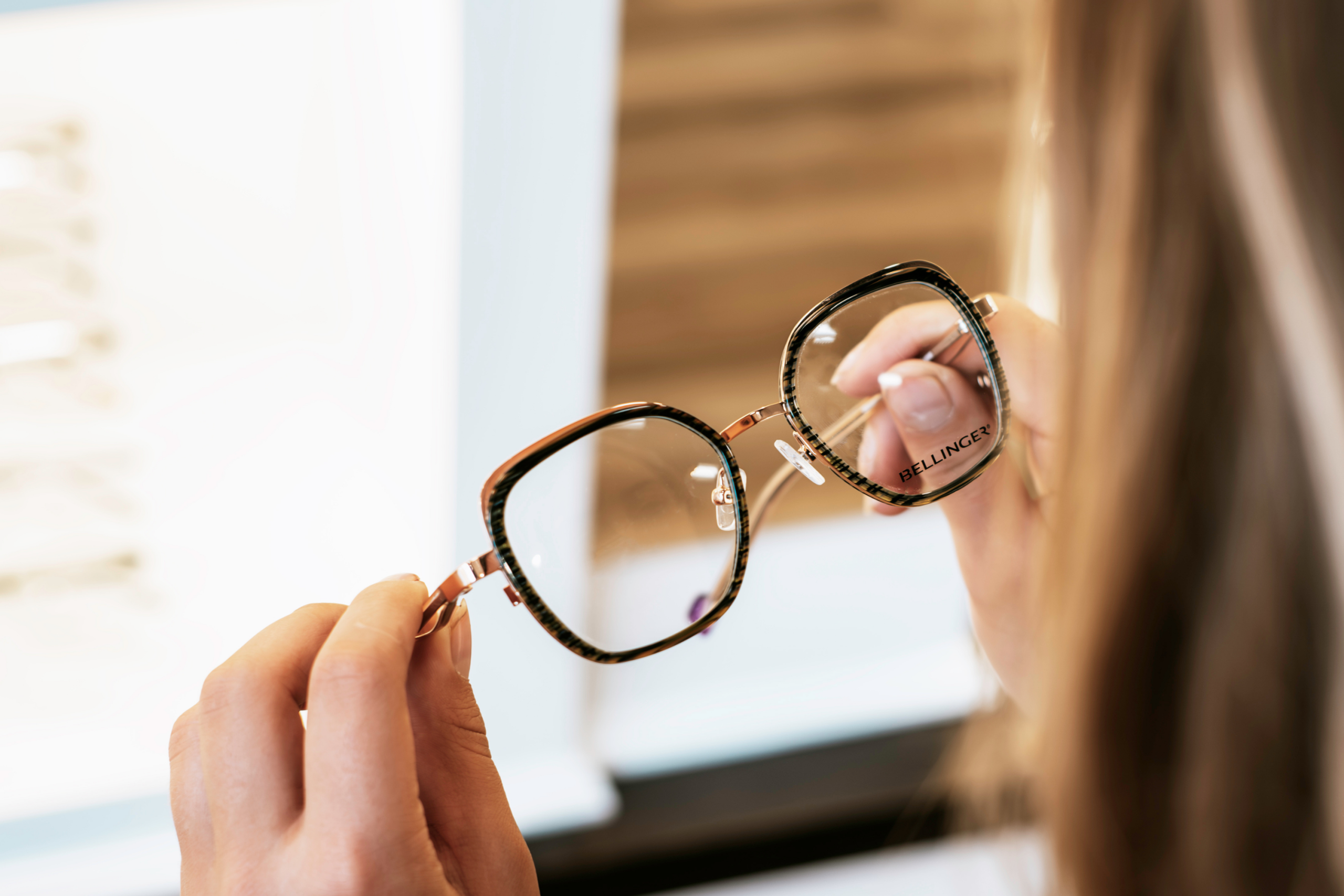
If you’re wondering whether contact lenses or glasses are better, there isn’t one answer for everyone. The right choice depends on your eyes, prescription, lifestyle, comfort, and how you want your vision correction to fit into your day.
And here’s something people sometimes forget: you don’t necessarily have to choose.
You might love contacts for hockey, workouts, or special occasions and prefer your glasses while working from home. Or you might wear contacts most days and reach for your glasses when your eyes need a break.
So rather than asking which option wins, let’s figure out which one makes the most sense for you.
Are Contacts Better Than Glasses?
Neither is universally better. Contact lenses and glasses are both effective ways to correct your vision, and the right choice depends on your prescription, eye health, lifestyle, and personal comfort.
For some people, contacts provide the freedom they want during an active day. Others love how easy glasses are to put on in the morning and take off at night.
And plenty of people are happiest having both options.
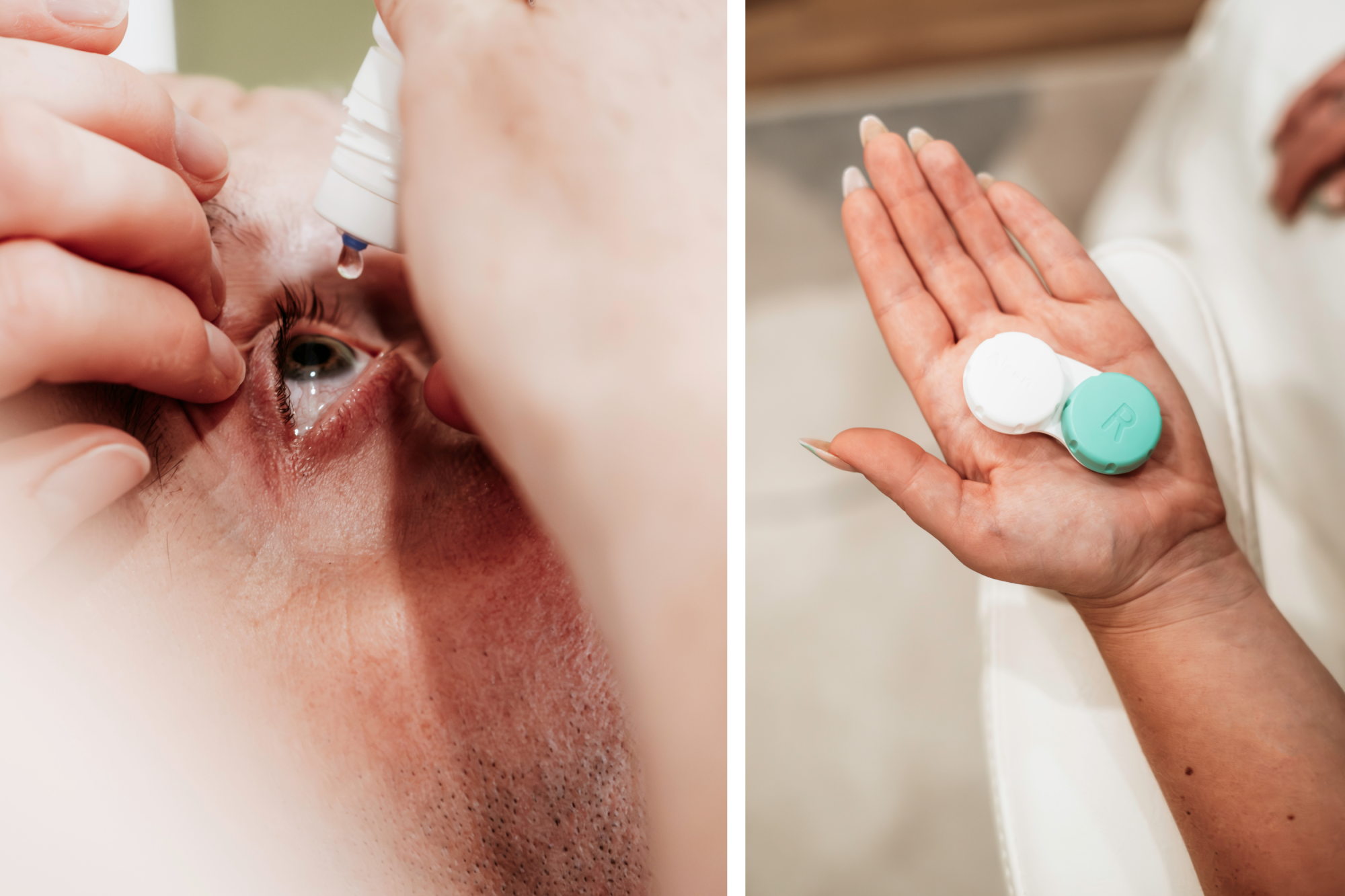
Should I Get Contacts or Glasses? Choose Based on Your Lifestyle
If you’re active or play sports
This is one of the most common reasons someone starts thinking about switching from glasses to contacts.
Contacts don’t have frames sitting on your face, and soft contact lenses are often well suited to sports because they stay in place during activity. The Canadian Association of Optometrists notes that soft lenses rarely fall out of the eye, making them a popular option for sports.
One important distinction: contact lenses don’t protect your eyes from injury. Health Canada recommends appropriate protective eyewear when playing sports, especially activities such as hockey or squash.
Whether contacts are a good fit for you still depends on your eyes, prescription, and individual needs.
If you spend long days working in front of a screen
Working at a computer all day doesn’t automatically mean glasses or contacts are the better choice.
Your comfort matters! If you’re curious about wearing contacts during long workdays, talk to your optometrist about your routine, screen use, and any symptoms you’ve noticed.
You also don’t have to wear the same option from morning until night. Some people switch to their glasses later in the day simply because they prefer them at home.
If you like changing your look
Sometimes the decision has nothing to do with work or sports. You like your glasses, but you don’t want to wear them every single day.
Contacts give you another option.
You might wear glasses during the week and contacts when you’re going out. You might choose contacts on days when you want your sunglasses to take centre stage. Your vision correction doesn’t need to dictate your style.
If you want the lowest-maintenance option
Glasses are hard to beat for simplicity.
You put them on, clean them when needed, and take them off at the end of the day. Contact lenses involve more responsibility, including proper insertion, removal, wear, and care. If contacts still appeal to you, daily contact lenses are worth asking your optometrist about. They don’t require cleaning or storage between wears, which cuts down on the day-to-day upkeep.
The Canadian Association of Optometrists recommends wearing contacts only for the recommended length of time and following the prescribed cleaning and disinfecting routine. Health Canada also recommends washing your hands thoroughly before handling contacts and following the care instructions provided by your eye care professional.
If a low-maintenance routine matters most to you, glasses might make more sense as your primary option.
If you only want contacts occasionally
Contact lenses don’t have to become an everyday commitment.
If you want them for weekends, events, travel, sports, or certain activities, tell your optometrist. Your contact lens fitting should take your actual lifestyle into account rather than assuming you want to replace your glasses full-time.
If you have dry or sensitive eyes
Dry or sensitive eyes don’t automatically rule out contact lenses, but they’re important to discuss with your optometrist.
Health Canada notes that factors contributing to dry eyes can make contact lenses uncomfortable and increase the risk of irritation or infection. Your eye health should be assessed before deciding whether contact lenses are appropriate for you.
If you’re considering contacts for your child or teen
There isn’t one age when every child suddenly becomes ready for contacts. Their eyes, lifestyle, maturity, and ability to handle lens care all matter.
Aurora Eye Care offers soft contact lens fittings for all ages. If your child or teen is interested in contacts, your optometrist will help you determine whether they’re ready and talk you through what proper lens care involves. You can also learn more in Aurora’s Contact Lens Services FAQ.
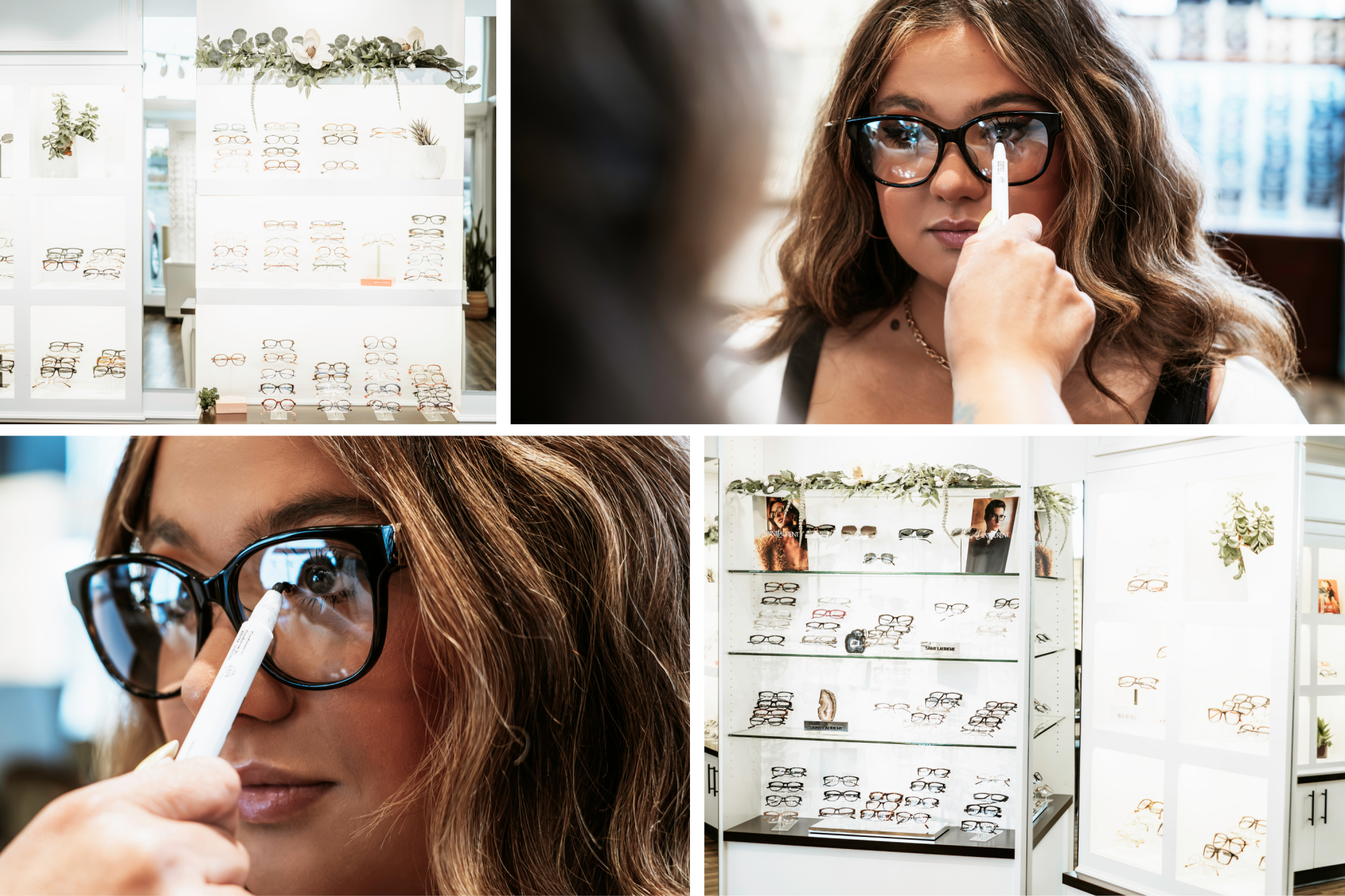
Do I Have to Choose Between Contacts and Glasses?
Absolutely not! For many people, the best answer is both.
You might wear contacts during the workday and glasses at night. You might save your contacts for hockey, the gym, or going out. You might wear contacts most of the time and keep your glasses for days when your eyes aren’t feeling their best.
Even if contacts become your preferred option, every contact lens wearer needs a current, up-to-date pair of prescription glasses.
There will be times when wearing contacts isn’t the right choice, including when your eyes are irritated, you’re sick, a lens becomes damaged or lost, or you simply need a break. Health Canada recommends having glasses available when you’re likely to experience dry or irritated eyes. At Aurora, we recommend going one step further and keeping a current pair of prescription glasses available as your backup.
Switching From Glasses to Contacts: What’s the First Step?
Start with an eye exam and a proper contact lens fitting.
Your glasses prescription and your contact lens prescription are often different. Your glasses prescription helps your optometrist determine an appropriate starting prescription for trial contact lenses, but your final contact lens prescription is confirmed only after your lenses have been fitted and checked by your doctor.
That extra step matters because contact lenses are medical devices and we want to be as accurate as possible. According to the Canadian Association of Optometrists, factors such as prescription, lens material, curvature, diameter, fit, moisture content, and lens lifespan all play a role in selecting an appropriate lens.
Your comprehensive eye exam gives your optometrist a chance to assess your eye health and look for anything that might affect contact lens wear. A soft contact lens fitting is then booked as a separate appointment, followed by a check appointment so your doctor can confirm how the lenses are fitting and performing before finalizing your contact lens prescription.
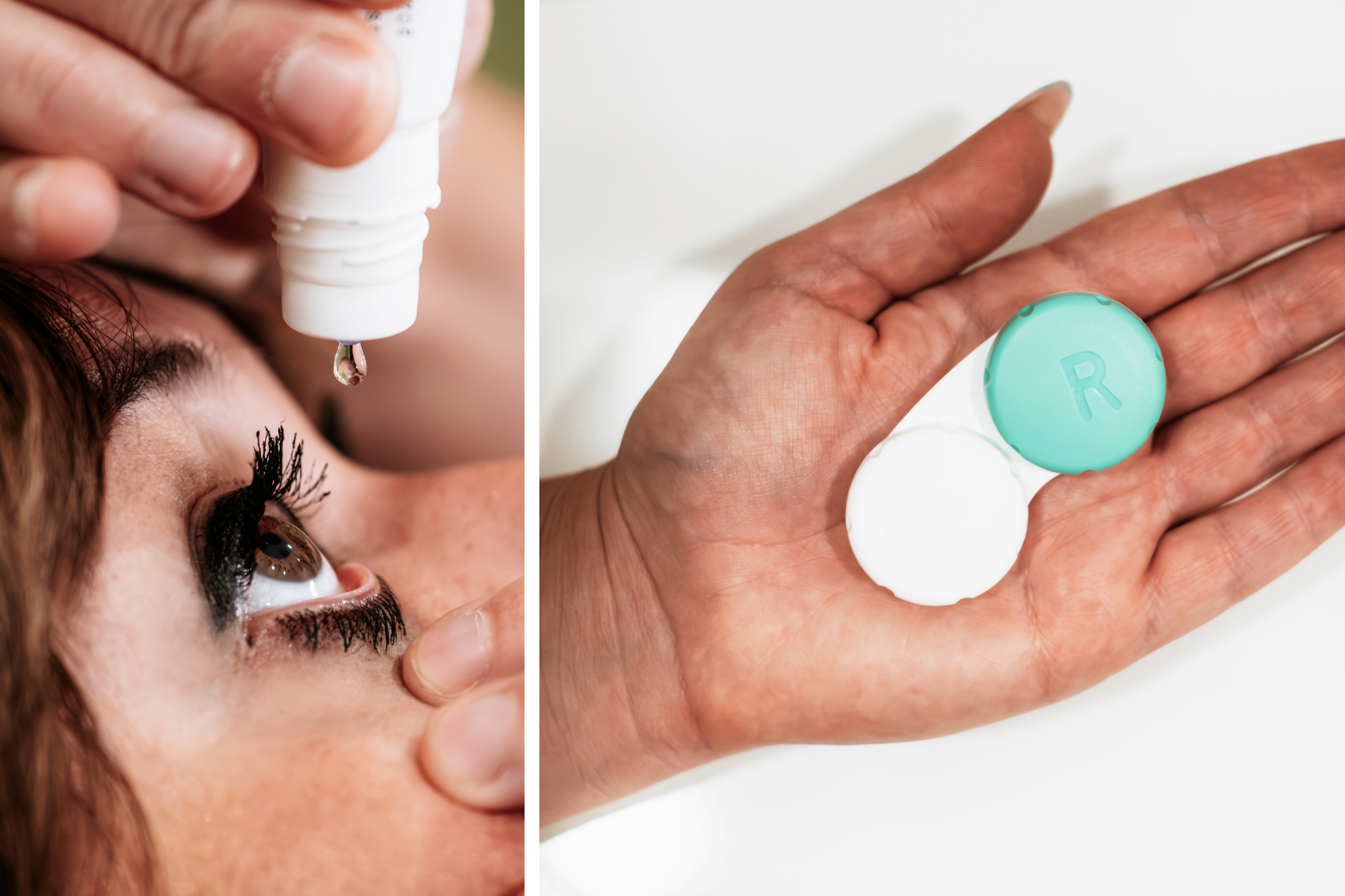
What Happens at a Contact Lens Fitting at Aurora Eye Care?
If you’re new to contacts, the fitting process is simpler than you might expect.
Aurora Eye Care provides soft contact lens fittings. The fitting appointment itself usually takes about 10 minutes when everything looks good. A standard soft contact lens fitting doesn’t require additional diagnostic equipment, and Aurora doesn’t offer specialty contact lens fittings.
If you’re learning to wear contacts for the first time, you’ll also receive guidance on safely inserting, removing, and caring for your lenses before you leave.
Then comes an important second step: the follow-up appointment.
Before your follow-up, you’ll need to wear your contact lenses for a minimum of two hours. This gives the lenses enough time to fully settle on your eyes so your optometrist can get an accurate look at the lens fit.
That follow-up helps confirm everything is fitting and working as intended before you settle into your regular contact lens routine.
Aurora fits prescription contact lenses from brands including Acuvue, Bausch + Lomb, Alcon, CooperVision, and Blanchard. Once you’re set up with your contacts, you also have the option to reorder your lenses through Aurora’s online shop.
FAQ
Should I get contacts or glasses?
The answer depends on your eyes and lifestyle. Contacts might appeal to you for sports, activities, or flexibility, while glasses offer a simple, low-maintenance option. Many people use both rather than choosing one exclusively.
Is it normal to switch between glasses and contacts?
Yes. You don’t need to commit to wearing one option all the time. You might switch depending on your activity, comfort, schedule, or preference.
Are contacts better for sports?
Many athletes prefer contacts because they don’t fog up, slip, or get knocked off during activity. Whether they’re right for you depends on your eyes, prescription, and sport, so your optometrist should assess your individual needs.
Do I need a separate appointment for a contact lens fitting?
Yes. A contact lens fitting is a dedicated appointment separate from your comprehensive eye exam. Your eye exam assesses your eye health first, while the fitting focuses specifically on finding and assessing your soft contact lenses.
How long does a contact lens fitting take?
At Aurora Eye Care, a soft contact lens fitting appointment usually takes about 10 minutes if everything looks good. A follow-up appointment is also required to verify the fit.
Why do I need to wear my contacts before my follow-up appointment?
Aurora asks you to wear your lenses for a minimum of two hours before your follow-up. This gives them time to fully settle so your optometrist gets a more accurate look at the true fit of the lenses.
Does Aurora Eye Care offer specialty contact lens fittings?
No. Aurora Eye Care provides soft contact lens fittings and does not offer specialty contact lens fittings.
Can kids or teens wear contact lenses?
Contact lenses are an option for some kids and teens. Readiness depends on the individual, including their eyes, lifestyle, maturity, and ability to handle lens care responsibly. Aurora Eye Care offers soft contact lens fittings for all ages.
Do I still need glasses if I wear contact lenses?
Yes. Every contact lens wearer should have a current pair of prescription glasses as a backup. If your eyes become irritated, you’re sick, your contacts are lost or damaged, or you need a break from wearing them, you’ll still have another way to see clearly.
Still Not Sure Which One Fits Your Life?
You don’t need to decide before you walk through the door.
If you’re thinking about switching from glasses to contacts, trying contacts for the first time, or adding contacts for certain parts of your week, bring your questions to Aurora Eye Care.
Aurora Eye Care offers soft contact lens fittings for all ages in Grande Prairie. We’ll talk through your routine, your eyes, and what you’re looking for so you leave knowing which option makes the most sense for you.
If you’re ready to see whether contacts fit your lifestyle, you can book your appointment with Aurora Eye Care.